Weinbau Thomas Seifert

One of the smallest wineries in Saxony
Behind the house, our vineyard climbs almost all the way up to the Spitzhaus. We pick the grapes by hand, press them the traditional way and turn them into wine ourselves.
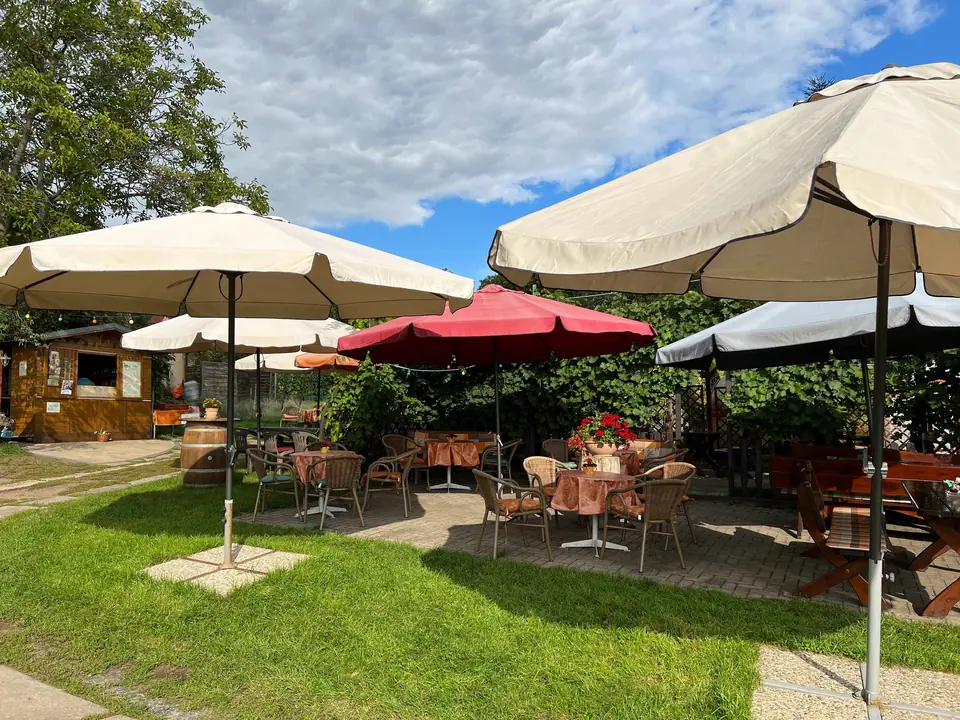
We sell our wines in our own Straußwirtschaft, a small seasonal wine tavern. You can sit in the garden, under the vines or in the greenhouse, and in the evening the strings of lights come on.
- Vineyard area
- 0.22 ha
- Grape varieties
- 7
Our grape varieties
- Müller-Thurgau
- Named after its breeder, Hermann Müller from the Swiss canton of Thurgau, who crossed it in Geisenheim in 1882. For over a hundred years it was thought to be Riesling × Silvaner – until a DNA test showed that a table grape called Madeleine Royale had taken Silvaner's place.
- Kerner
- Named after Justinus Kerner, poet and physician from Weinsberg. He wrote a drinking song and gave the first detailed description of sausage poisoning (botulism). And although it is a white grape, half of its family tree is the red Trollinger.
- Pinot Blanc (Weißburgunder)
- A whim of nature – it arose as a mutation of the red Pinot Noir. The name Pinot probably comes from its bunches, which look like little pine cones.
- Pinot Gris (Grauburgunder)
- Also called Ruländer, after Johann Seger Ruland, a merchant from Speyer. He is said to have found the vine in an abandoned vineyard in 1711 and spread it from there.
- Traminer
- Takes its name from the village of Tramin in South Tyrol, where wines of that name were mentioned as early as around the year 1000. Its berries are pink to reddish – yet the wine is white.
- Scheurebe
- Bred by Georg Scheu in Alzey in 1916 and known for almost 30 years simply as "Seedling 88", after the number on his list. Only in 1945 was it named after its breeder.
- Gutedel (Chasselas)
- One of the oldest grape varieties of all. Its home was long thought to be in the Orient – today DNA analyses point to the area around Lake Geneva, where it is called Chasselas. Margrave Karl Friedrich had it brought from Vevey to Baden in 1780.
In the garden, under the vines, in the greenhouse
-
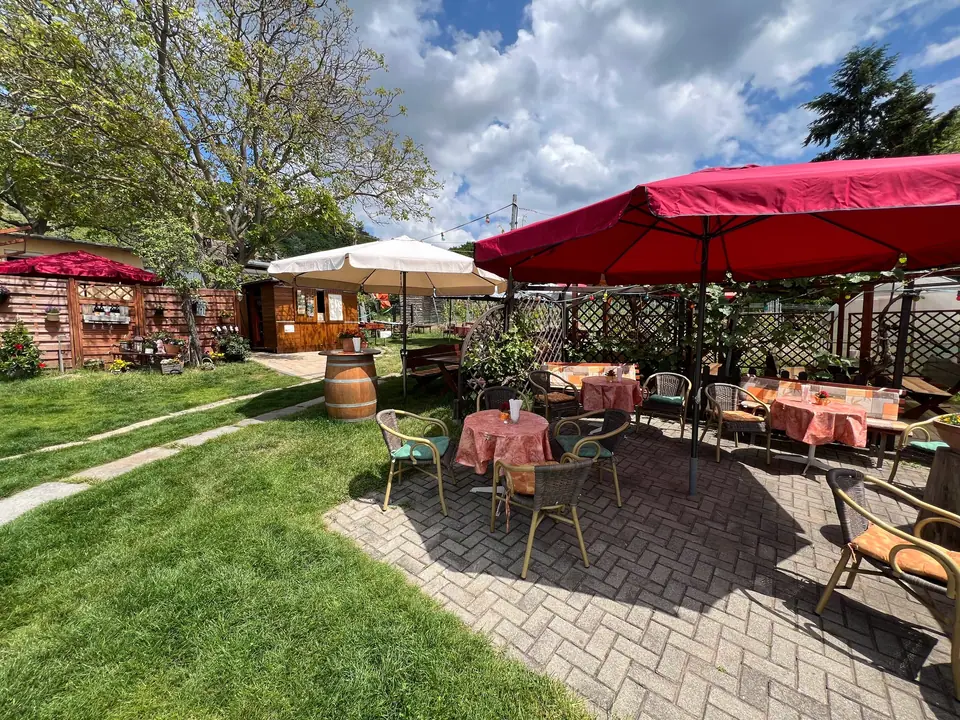
Outdoor seating
-
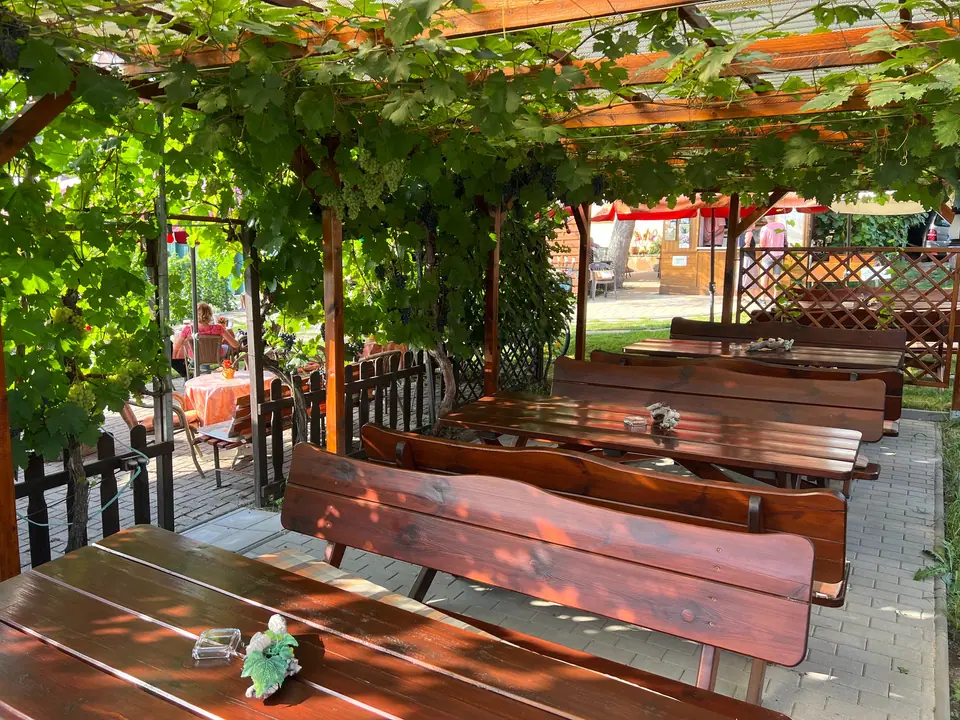
Seating under the shelter
-
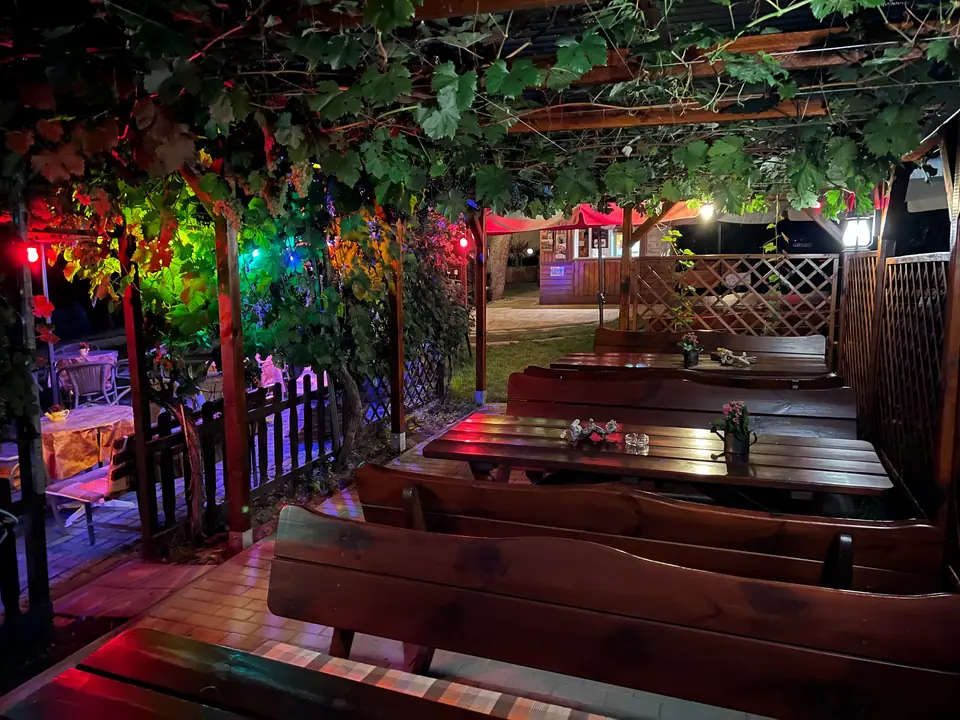
The shelter at night
-
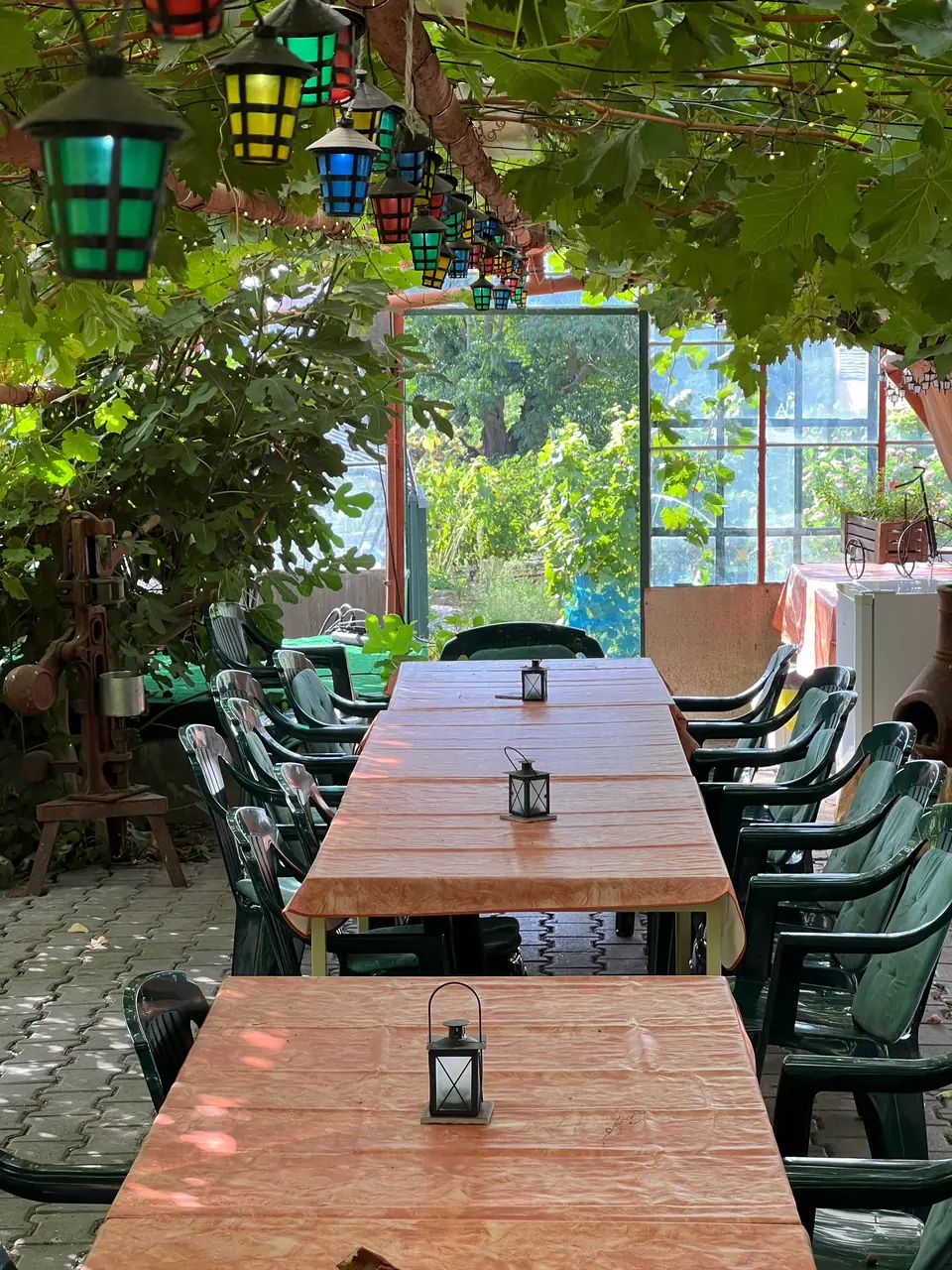
Seating in the greenhouse
-
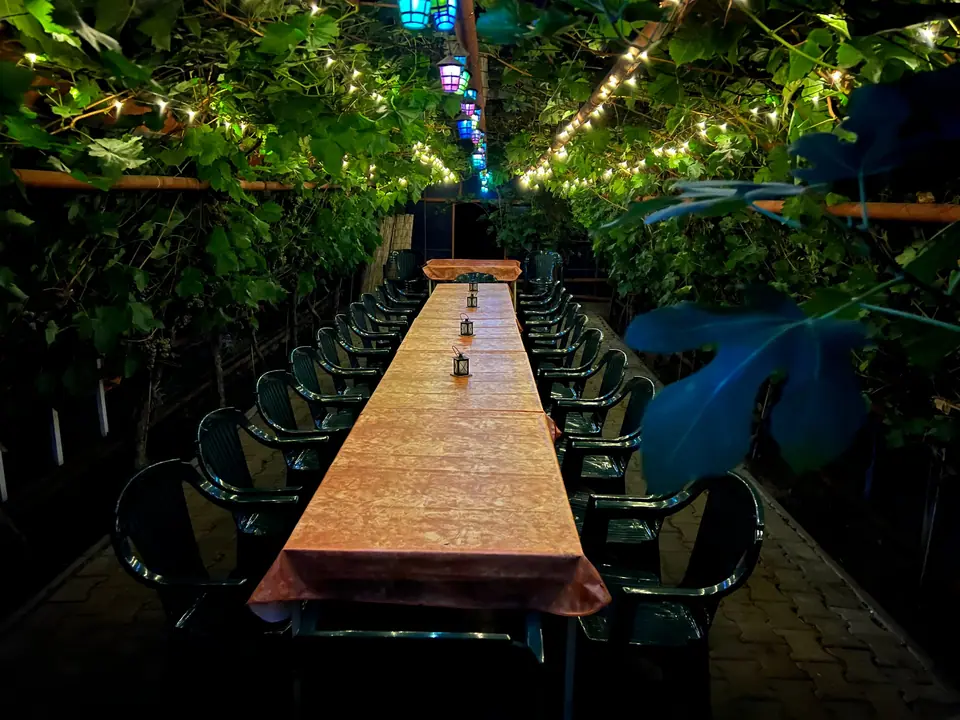
The greenhouse at night
-
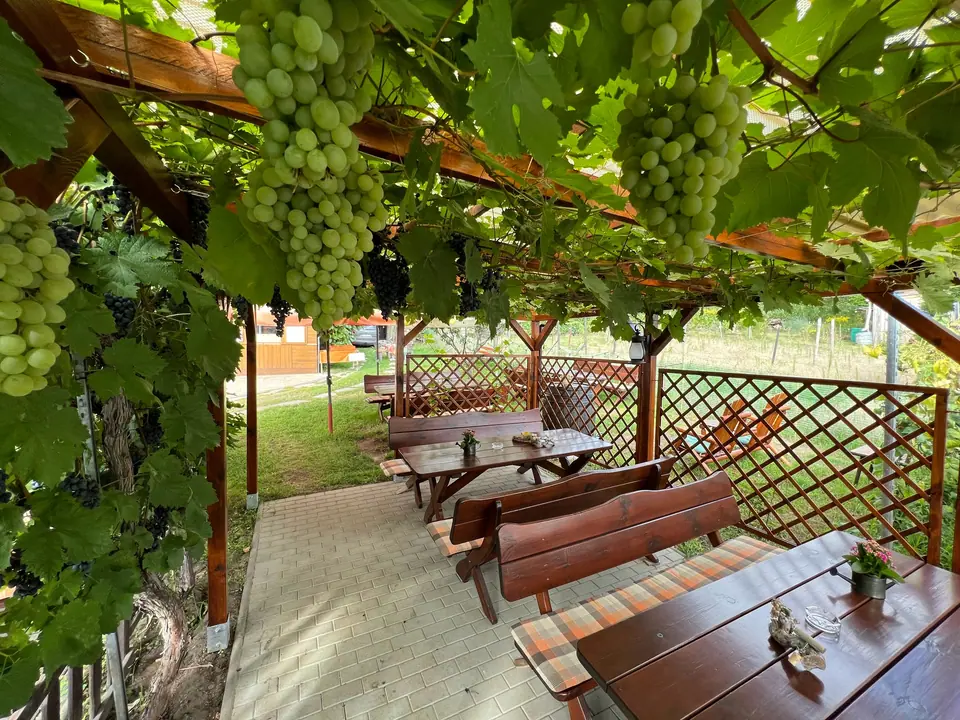
Grapes above the tables
-
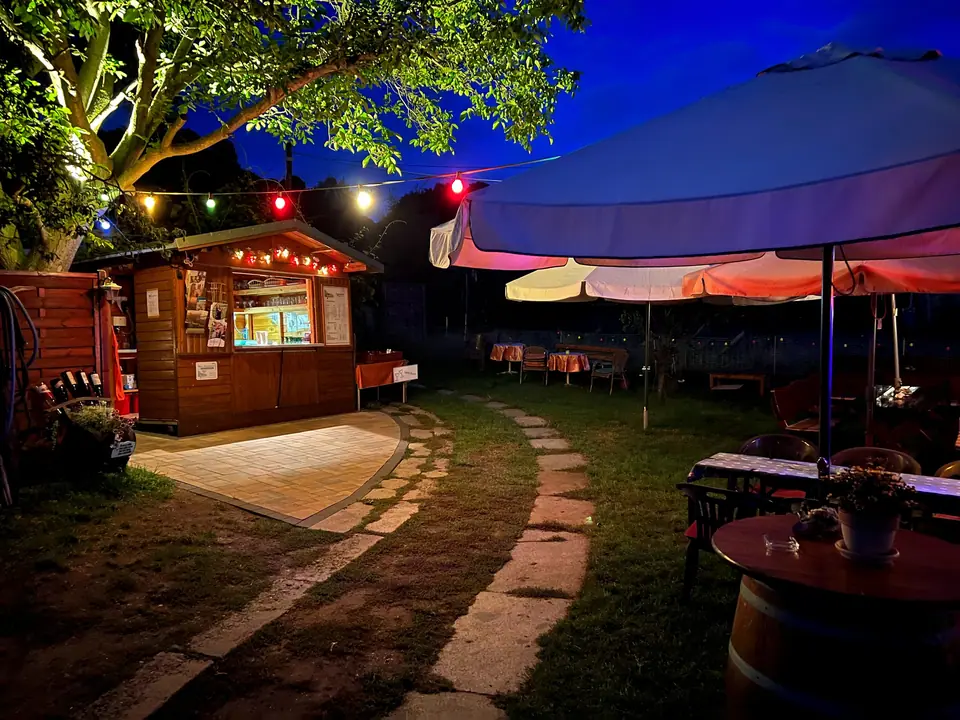
The sales hut at night
-
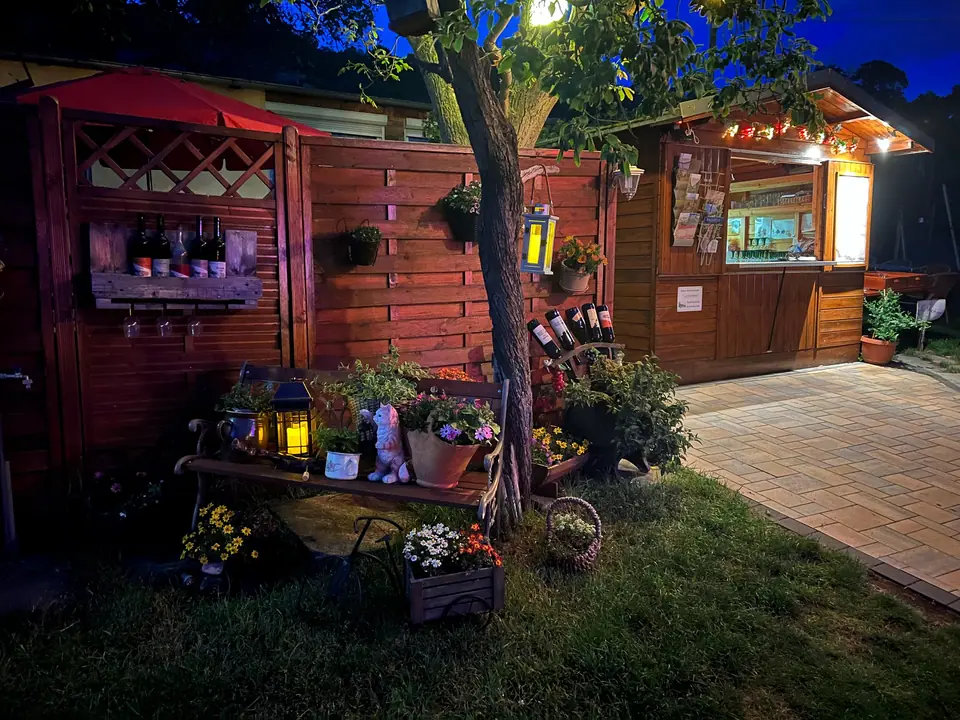
Our decorated corner by the sales hut, in the evening
-
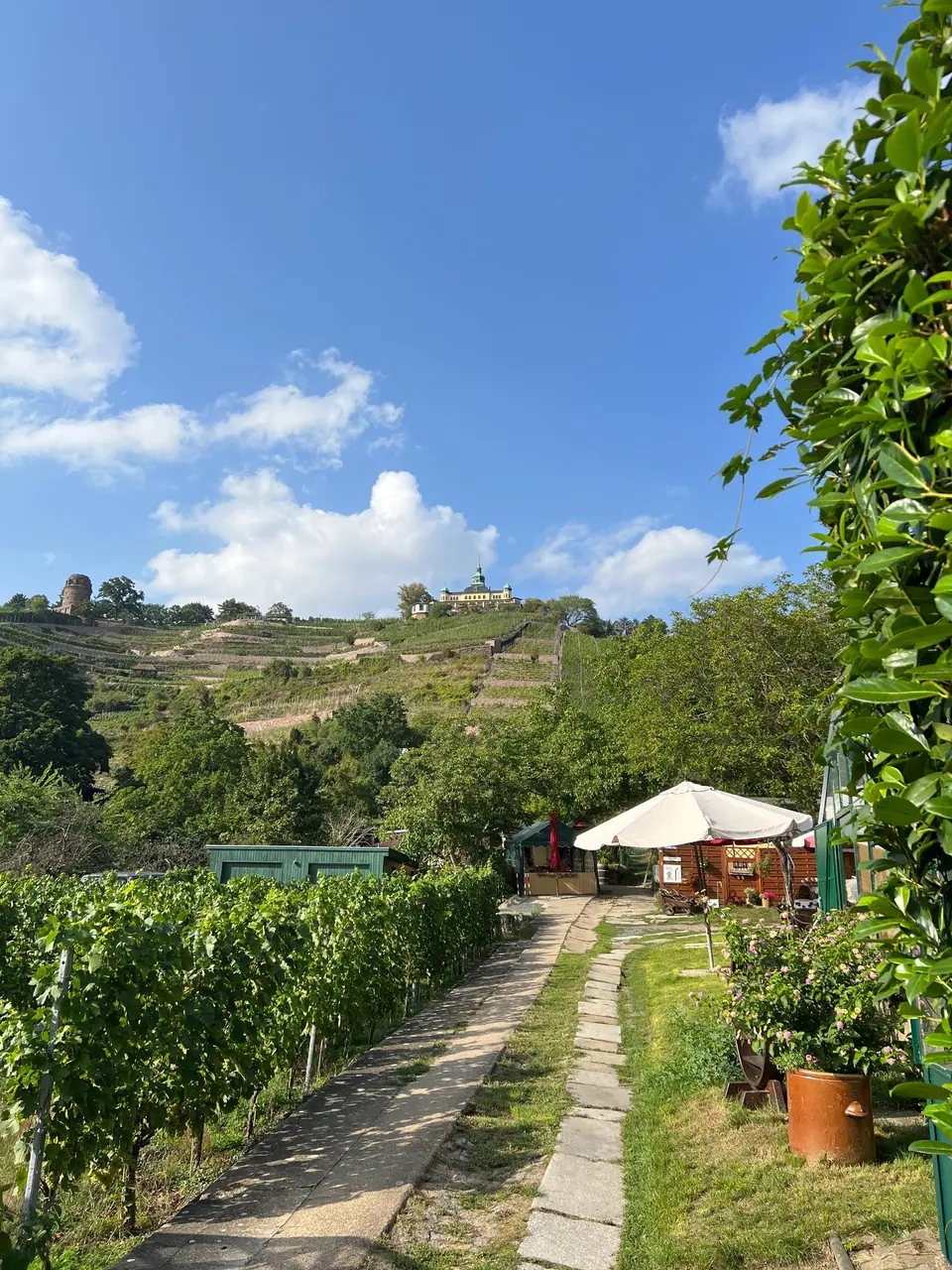
By the vineyard with the Spitzhaus above


